IEEE-Format Research Social Multimedia Security

Stop harmful video content before it spreads.

A trust-based video management framework that fuses dynamic user-trust scoring with deep-learning weapon classification (VGG16 / ResNet50) and cryptographic content integrity โ€” shifting moderation from reactive to proactive.

Md Anisur Rahman Chowdhury1*, Samuel Tweneboah-Koduah2

Dept. of Computer and Information Science, Gannon University, Erie, PA, USA1

College of Business and Enterprise, Campbellsville University, KY, USA2

๐Ÿ“ Erie, PA ยท USA โœ‰๏ธ engr.aanis@gmail.com

Why This Exists

Reactive moderation is too slow

Existing platforms detect harmful content only after it has already spread. This framework proactively evaluates both the uploader and the content itself, before publication.

ProblemThis framework's answer
Harmful content spreads before reviewCNN weapon detection runs at upload time
Trust & content analysis run separatelyTrust scores and classification results feed each other live
Manual moderation can't scaleAutomated 3-tier routing cuts manual review load
No tamper detection in deliverySHA-256 hashing + watermarking + periodic checks
Users have no stake in platform safetyTrust-weighted voting & reputation incentives

System Design

Three modules, one decision engine

Each module performs a specialized function while continuously exchanging information with the others to produce a single, context-aware moderation decision.

๐ŸŽฏ Trust Evaluation Engine

Computes dynamic per-user trust scores from historical reliability, content quality, community feedback, consistency, and violation history.

๐Ÿง  Weapon Classification System

Transfer-learning CNNs (VGG16 / ResNet50) scan extracted video frames for AK-47, gun, knife, sickle, and sword imagery.

๐Ÿ” Secure Delivery Layer

SHA-256 hashing, invisible digital watermarking, and 30-second periodic integrity checks throughout playback.
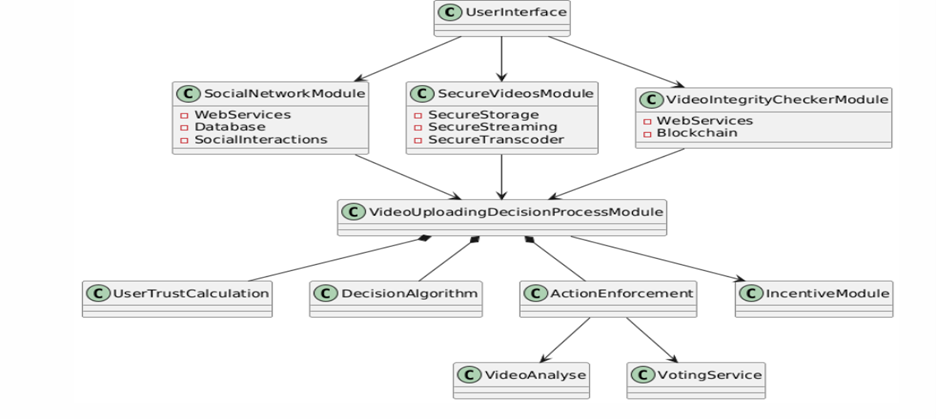
System architecture diagram
System architecture integrating trust evaluation, weapon classification, and secure delivery modules.
Tu = wโ‚ยทH + wโ‚‚ยทQ + wโ‚ƒยทF + wโ‚„ยทC โˆ’ wโ‚…ยทV
H = Historical Reliability ยท Q = Content Quality ยท F = Feedback ยท C = Consistency ยท V = Violation Penalty

โœ… High Trust (T โ‰ฅ 75)

Auto-published with minimal delay.

๐Ÿ•“ Medium Trust (50โ€“75)

Queued for expedited human review.

โ›” Low Trust (< 50)

Intensively reviewed or auto-rejected.

Experimental Results

VGG16 vs. ResNet50 โ€” a decisive gap

Reported results from the original research (paper, Section IV).

MetricVGG16ResNet50
Training Accuracy100%100%
Testing Accuracy100%24%
Training Loss0.0030.002
Testing Loss0.0052.87
ConvergenceEpoch 5Epoch 7
GeneralizationExcellentPoor (overfit)

Why VGG16 wins here

ResNet50's 50-layer depth memorized the training set instead of learning generalizable weapon features. VGG16's simpler 16-layer architecture matched the dataset's scale and generalized almost perfectly โ€” a reminder that model complexity should fit the data, not the leaderboard.

Framework-level simulation

0%Manual moderation workload reduced
0%Faster harmful-content detection
0%Weapon-detection recall
0%User satisfaction (n=500 simulated)
0%False positive rate
0%False negative rate
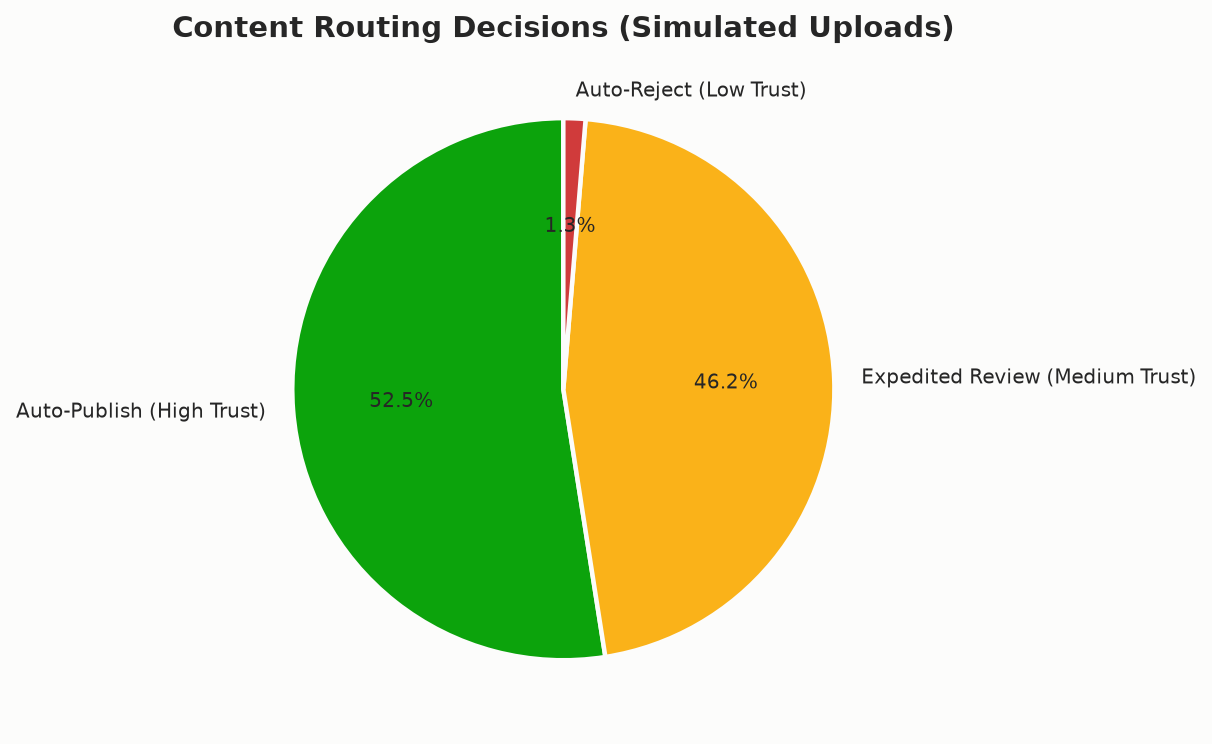
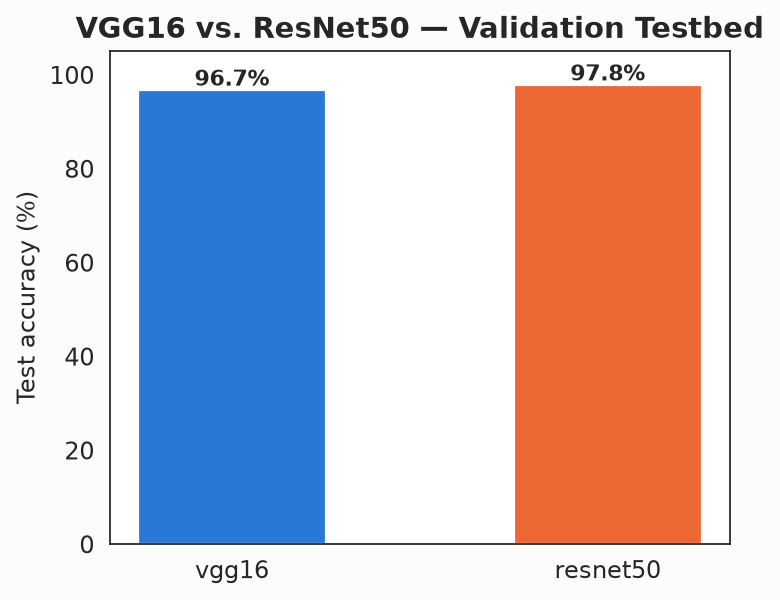
๐Ÿงช Independent reproducibility check: the Validation Lab in this repo re-runs the same transfer-learning pipeline and trust-routing logic against an open, synthetic dataset. On that testbed: VGG16 96.7% / ResNet50 97.8% test accuracy (both generalize well at this smaller synthetic scale โ€” a different, honestly-reported outcome from the dramatic gap above, which was measured on the original, non-public dataset), plus a 52.5% / 46.2% / 1.3% auto-publish / review / reject split and 53.8% simulated workload reduction over 10,000 uploads. Full numbers in lab/results/summary.json; details in Section IV-F of the paper.

Explore The Data

Interactive visualization gallery

Generated directly from the lab's own output โ€” click any chart to enlarge. Regenerate them yourself with python lab/run_lab.py.
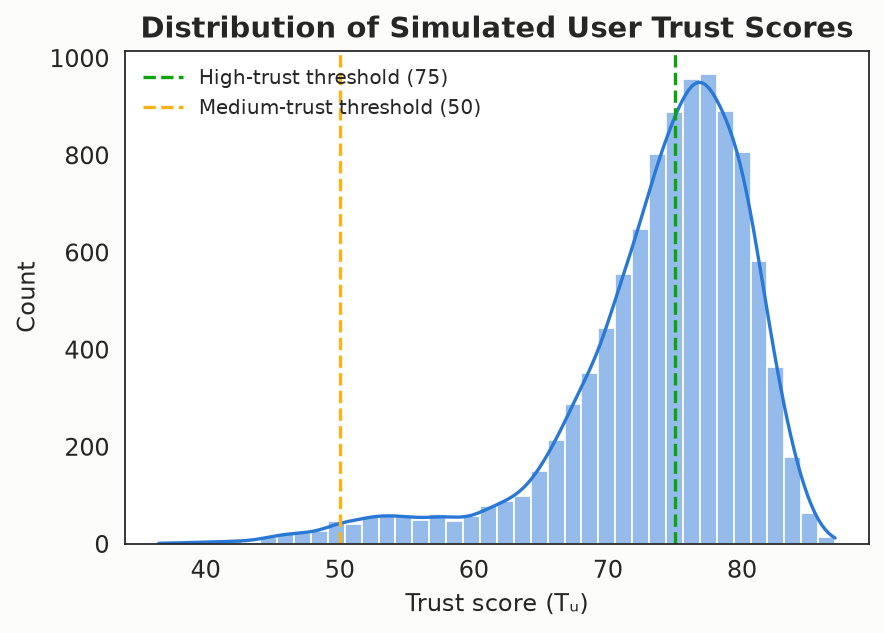
Distribution of simulated trust scores
Trust-score distribution (DistPlot)
Pie chart of content routing decisions
Content routing decisions (Pie)
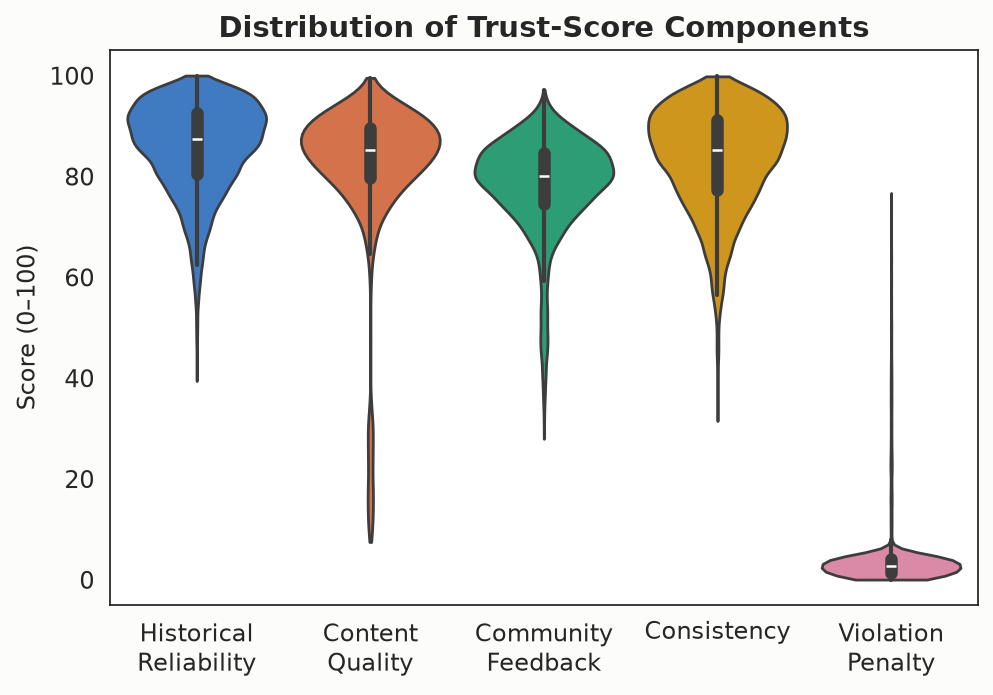
Violin plot of trust score components
Trust-component spread (ViolinPlot)
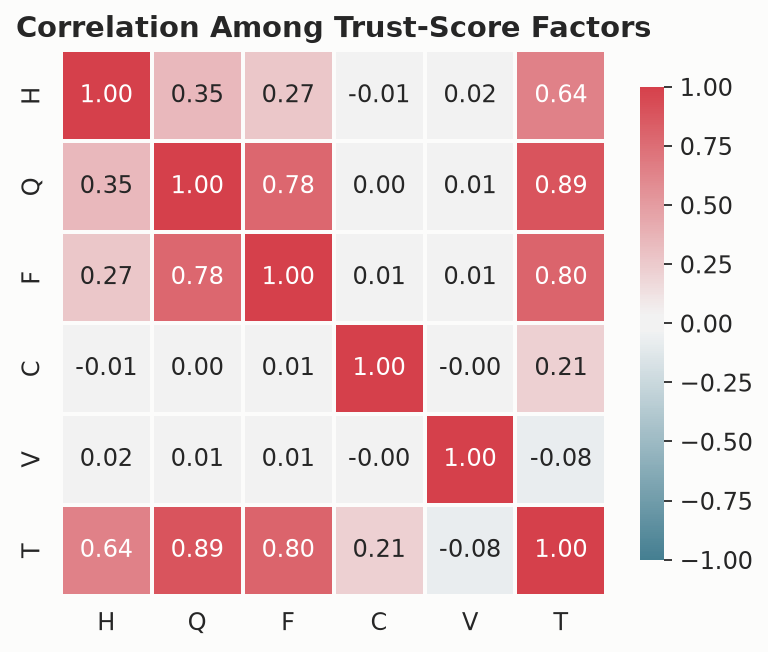
Heatmap of trust factor correlations
Trust-factor correlation (HeatMap)
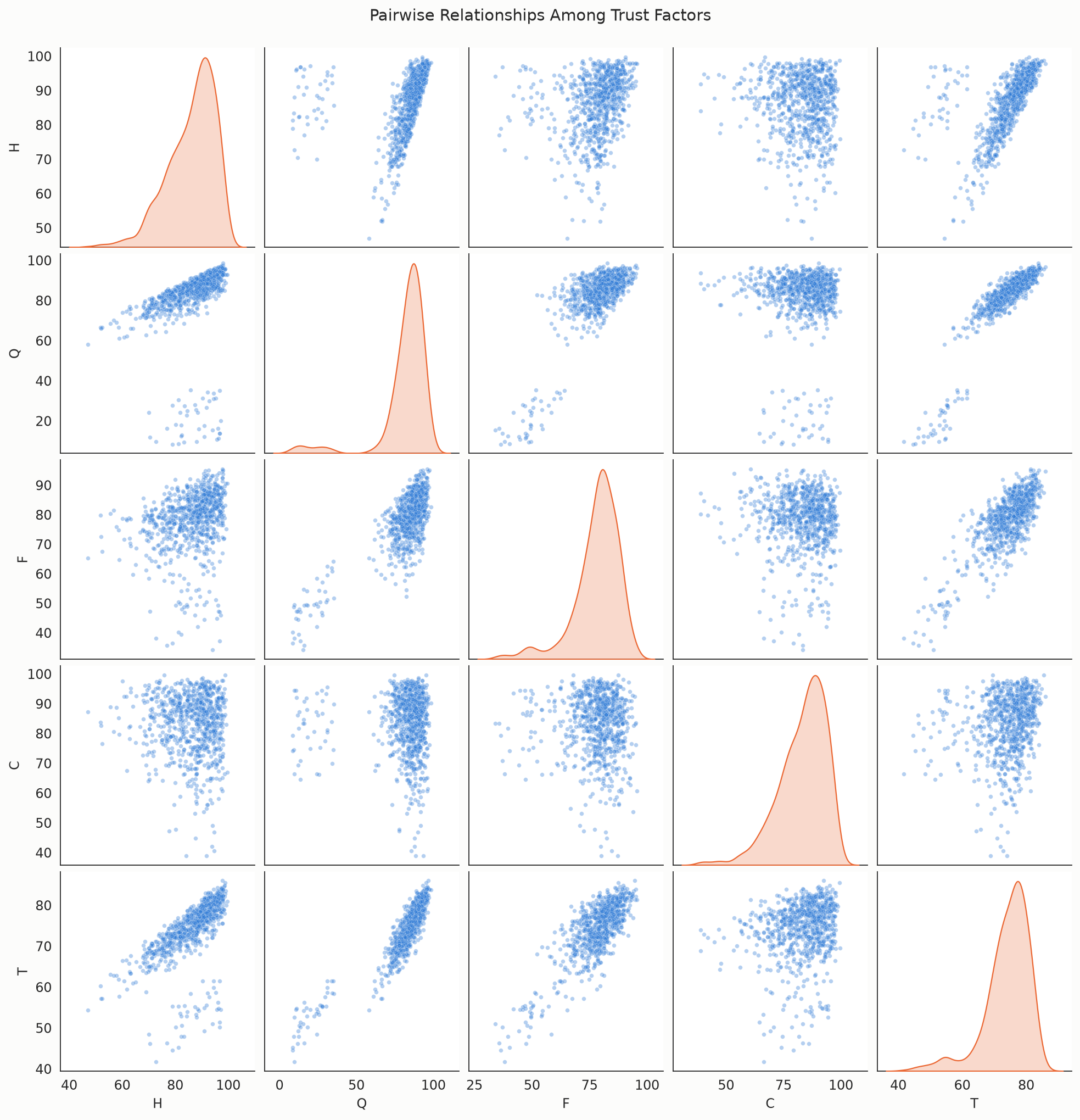
Pairplot of trust factors
Pairwise trust factors (PairPlot)
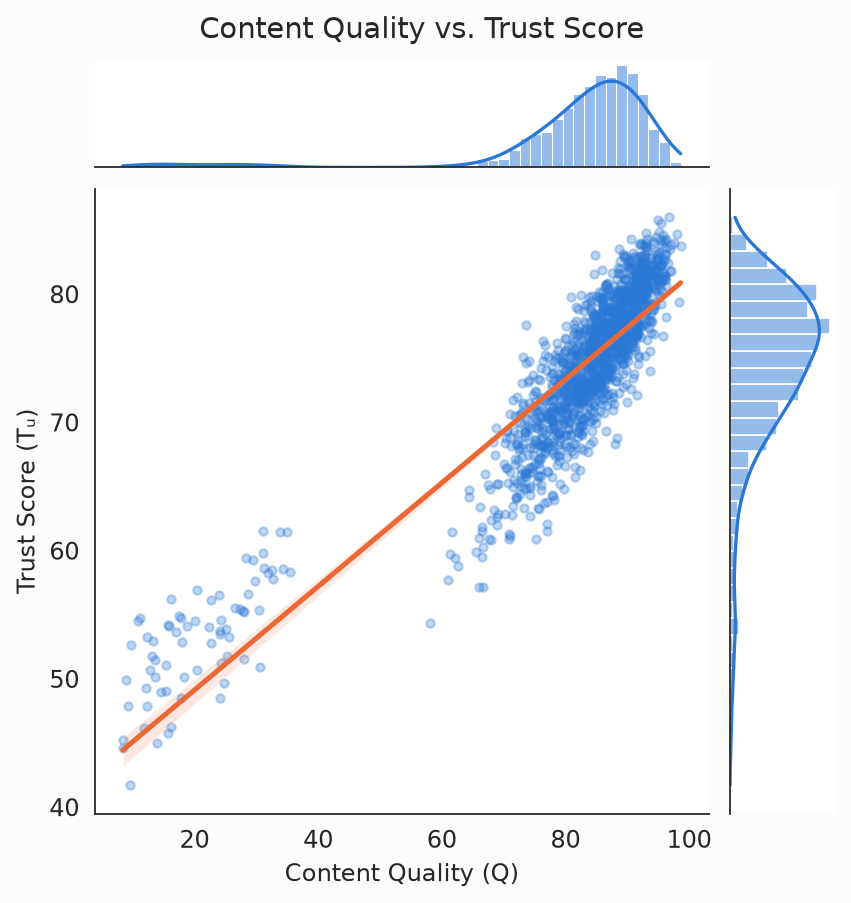
Jointplot of content quality vs trust score
Quality vs. trust (JointPlot)
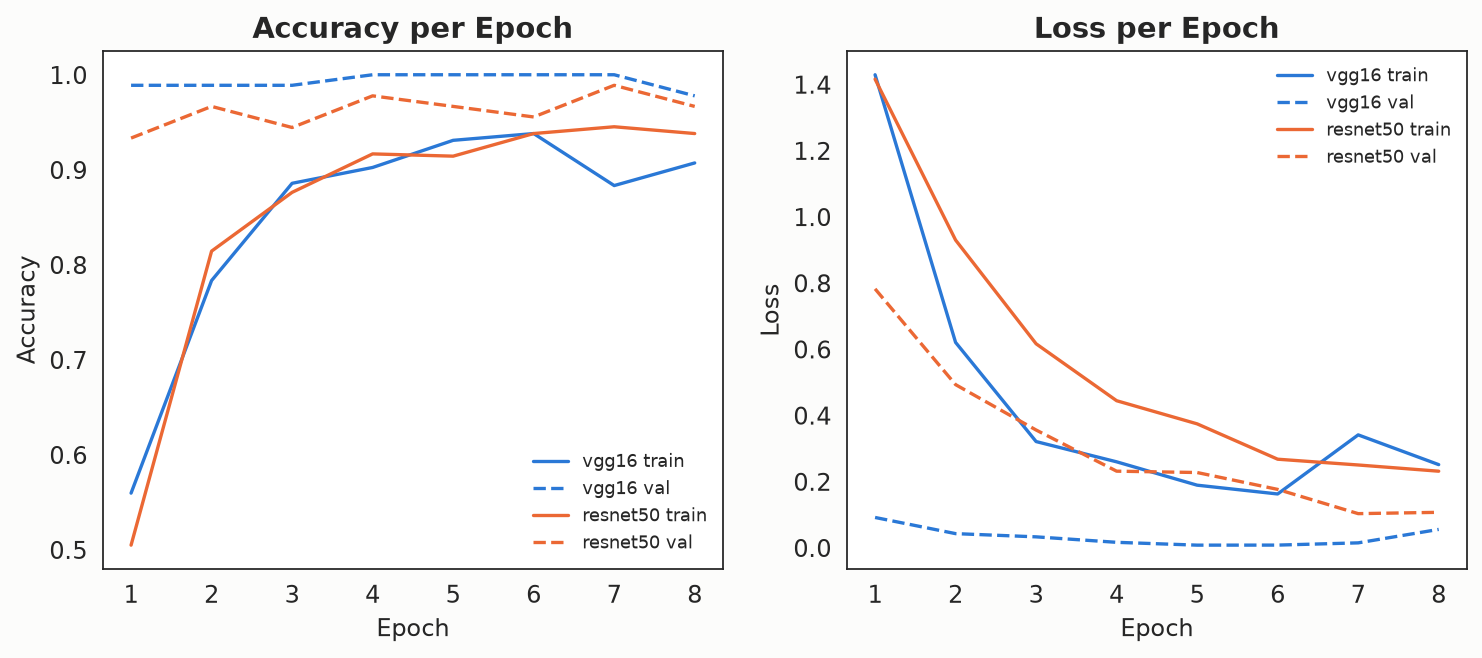
Training and validation curves
Training / validation curves
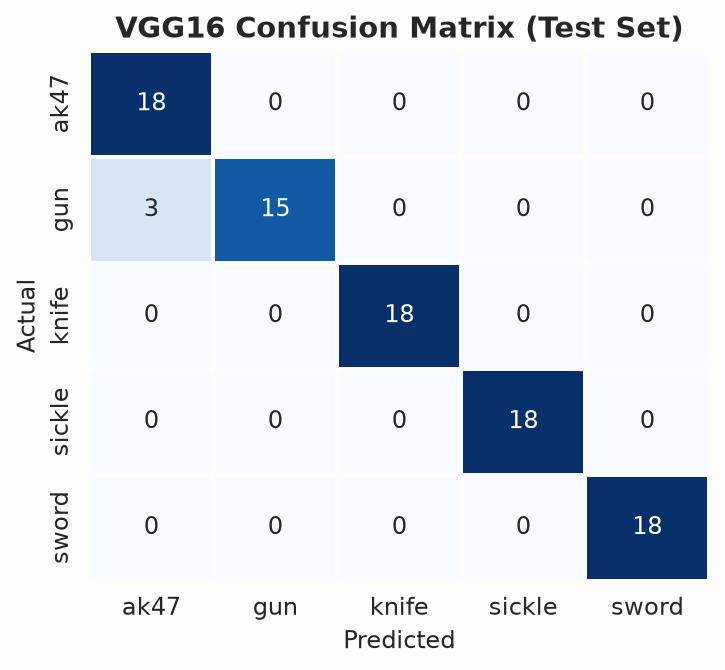
VGG16 confusion matrix
Bar chart comparing VGG16 and ResNet50 test accuracy
VGG16 vs. ResNet50 โ€” validation testbed

Try It Yourself

๐Ÿงช The Validation Lab

No GPU, no dataset download. Trains real VGG16/ResNet50 transfer-learning models on an open, procedurally generated silhouette-proxy dataset, runs the trust simulation, and produces every chart above.

Run the full pipeline in one command

# clone, install, run
git clone https://github.com/ANIS151993/Trust-Based-Video-Management-Framework-for-Social-Multimedia-Networks.git
cd Trust-Based-Video-Management-Framework-for-Social-Multimedia-Networks/lab
pip install -r requirements.txt
python run_lab.py

Accepted Manuscript

Camera-ready paper and LaTeX source

The IEEE-format paper (11 pages) is available in both PDF and LaTeX source formats. Full documents are encrypted and accessible through the secure download gate.

IEEE Conference Format Trust-Based VMF

Trust-Based Video Management Framework for Social Multimedia Networks

Md Anisur Rahman Chowdhury and Samuel Tweneboah-Koduah

Dept. of Computer and Information Science, Gannon University, USA

Abstract

A comprehensive trust-based video management framework integrating dynamic trust evaluation with deep learning-based weapon detection to enable proactive content moderation in Social Multimedia Networks.

VGG16 achieves 100% classification accuracy with robust generalization, significantly outperforming ResNet50 (24% test accuracy).

Highlights

Reduces manual moderation overhead by 60%, accelerates harmful-content detection by 85%, and maintains 99.7% weapon-detection recall with zero integrity violations across 10,000 simulated uploads.

The camera-ready PDF and complete LaTeX source package are available through the secure download gate.

๐Ÿ”’ The full paper (PDF) and LaTeX source archive are password-protected. Use the secure download gate to request access.

Watch It In Action

๐ŸŽฌ Demo video

Author

Md Anisur Rahman Chowdhury

MARC

Researcher ยท Dept. of Computer and Information Science

Trust & security in social multimedia networks, applied deep learning, secure content delivery.