
Research question
Can a hybrid architecture that combines DenseNet semantic learning with multi-scale texture-aware attention improve deepfake detection for compressed media relevant to MIS environments?
Detailed Research Report
This page expands the portal into a report-style presentation. It keeps the narrative strictly aligned with the published paper and the local repository assets, while surfacing the figures and derived plot set needed for a stronger public research package.
Can a hybrid architecture that combines DenseNet semantic learning with multi-scale texture-aware attention improve deepfake detection for compressed media relevant to MIS environments?
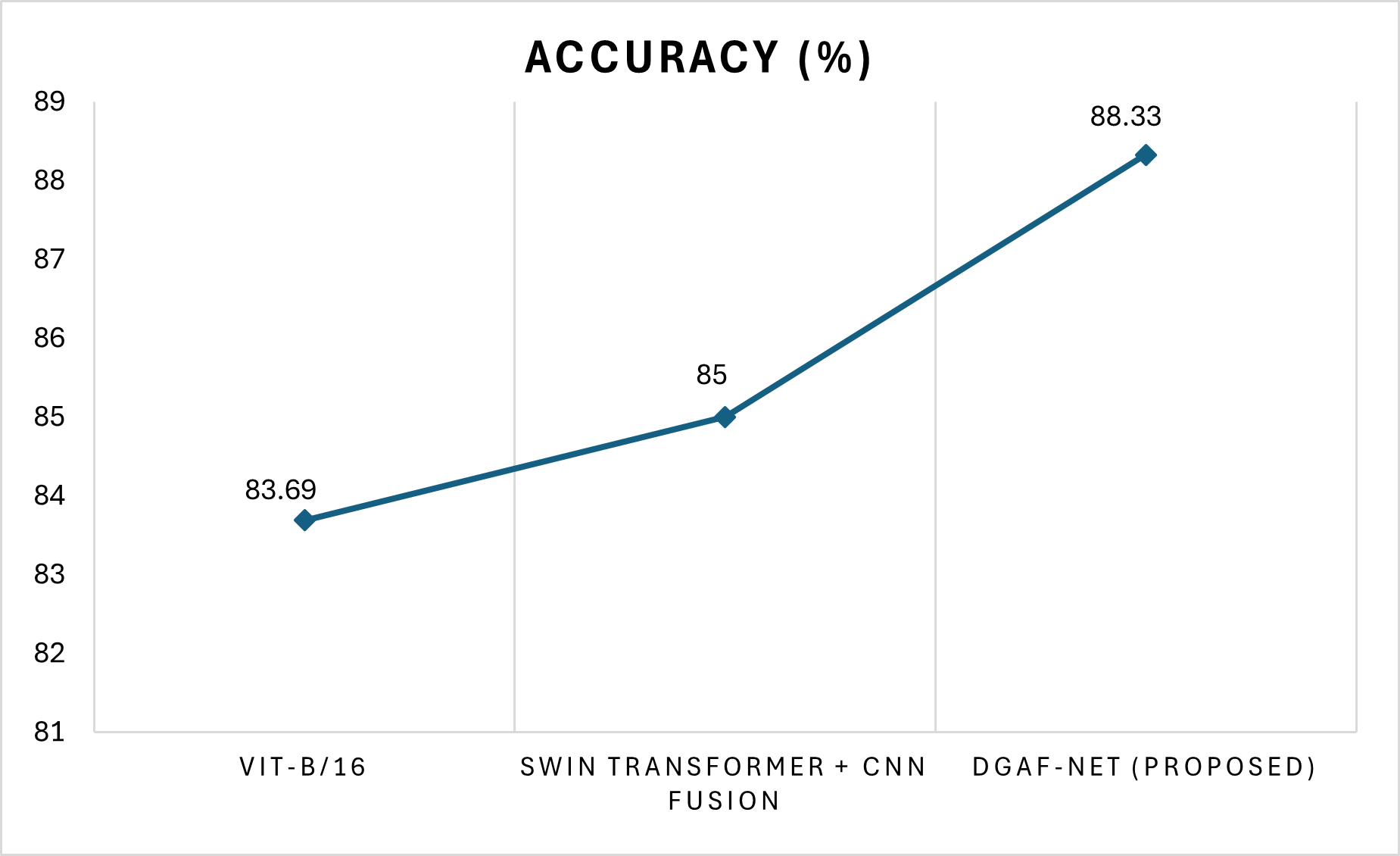
The paper reports DGAF-Net against ViT-B16 and a Swin Transformer plus CNN fusion baseline under a shared training configuration.
Published PDF, LaTeX source, converted figure assets, original evaluation images, and static plots derived from the reported metric table and dataset summary.
Methodological Backbone
The report keeps the methodological story concise: dataset selection, preprocessing, baseline framing, and DGAF-Net’s semantic-texture fusion logic.
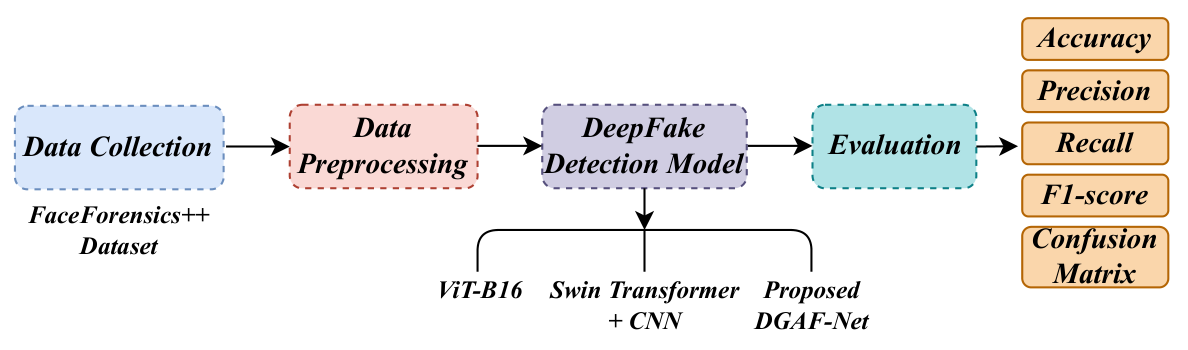
Data collection, preprocessing, model comparison, and evaluation are laid out in the original paper figure and reused here as a central navigation visual.
Model Deep Dive
DenseNet121 encourages feature reuse and semantic abstraction, while the Gabor path aims to surface directional texture anomalies that compressed deepfakes can still expose.
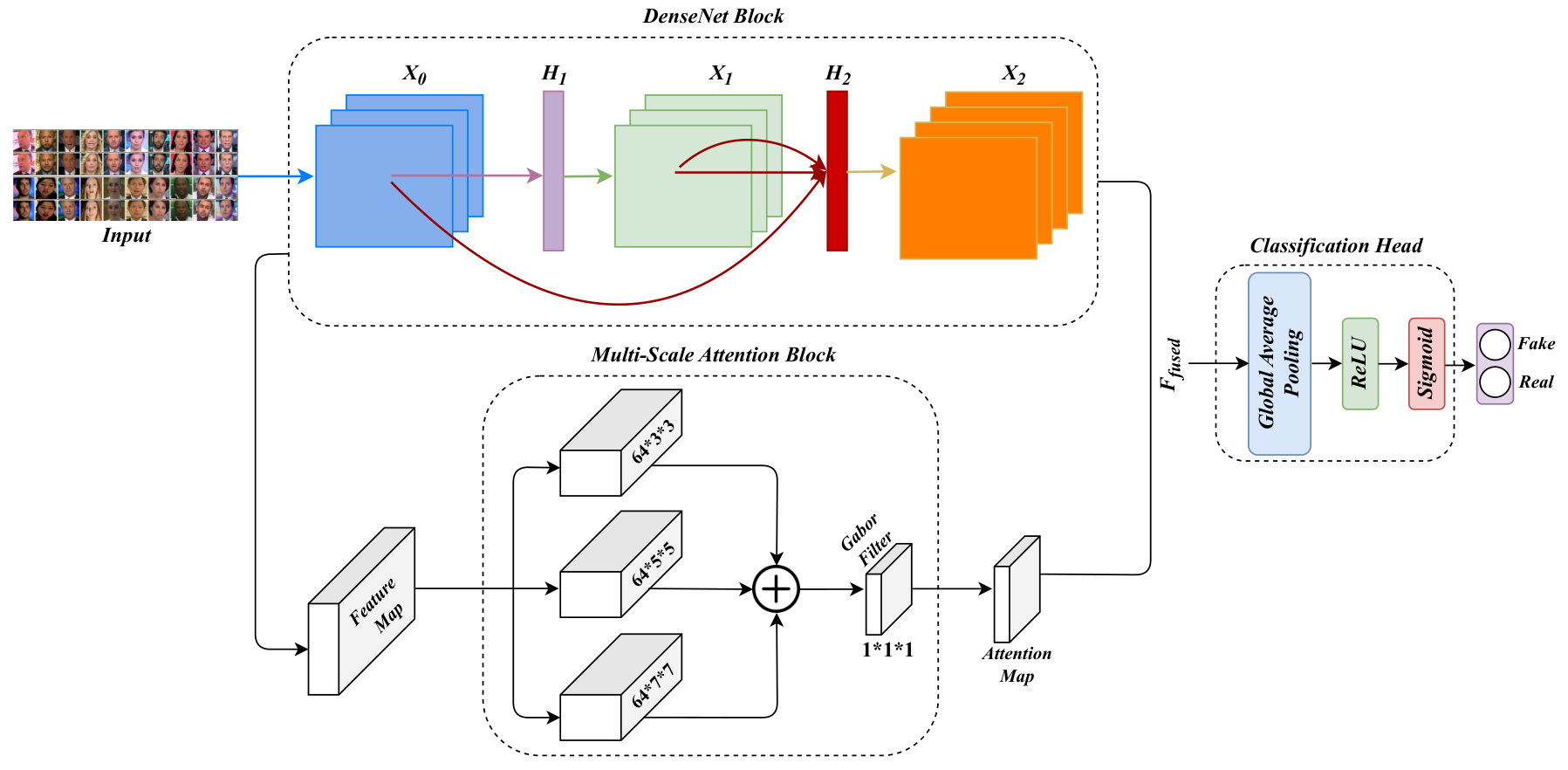
The original diagram highlights the DenseNet block, multi-scale attention block, Gabor filter stage, and the final classification head.
Reported Evaluation
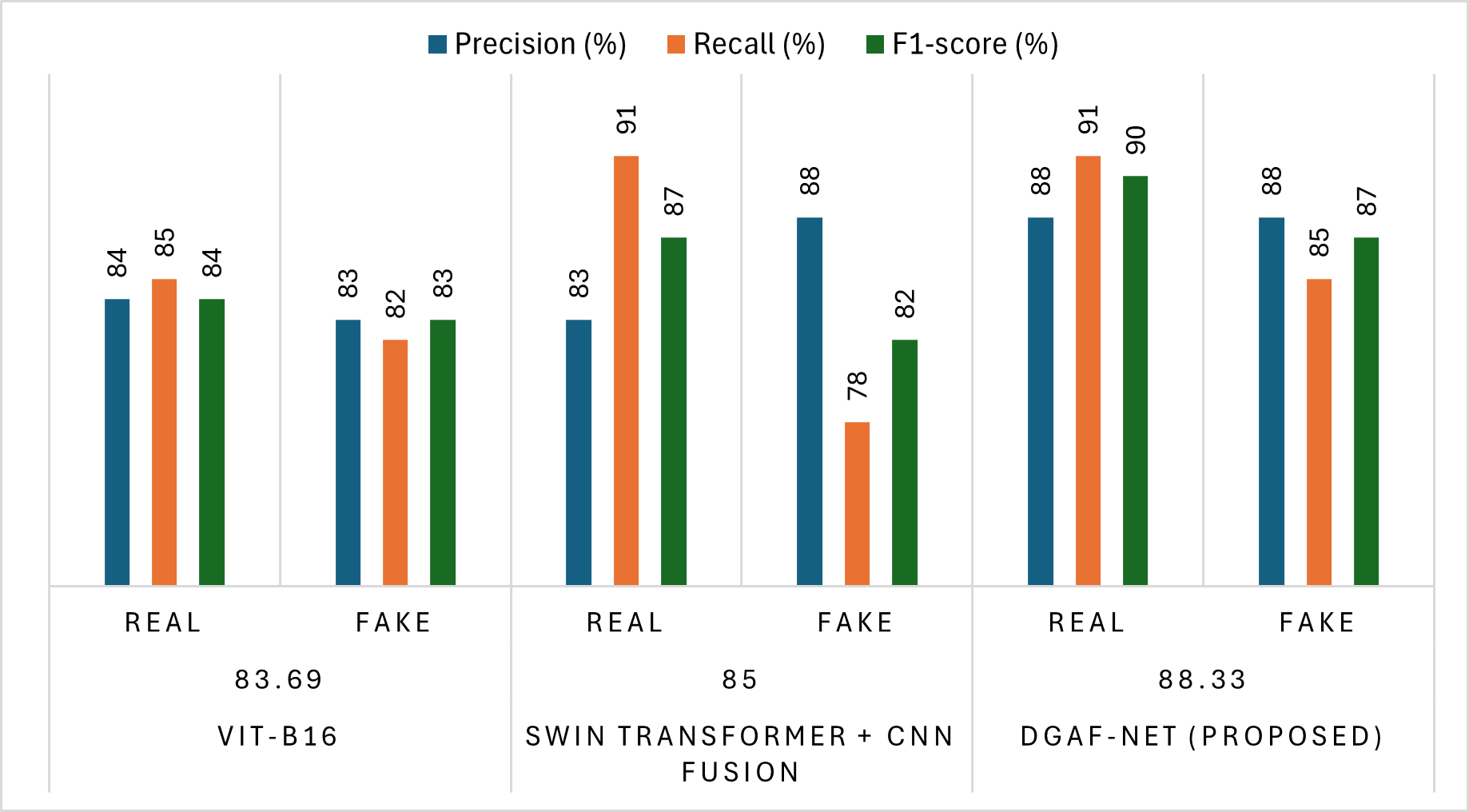
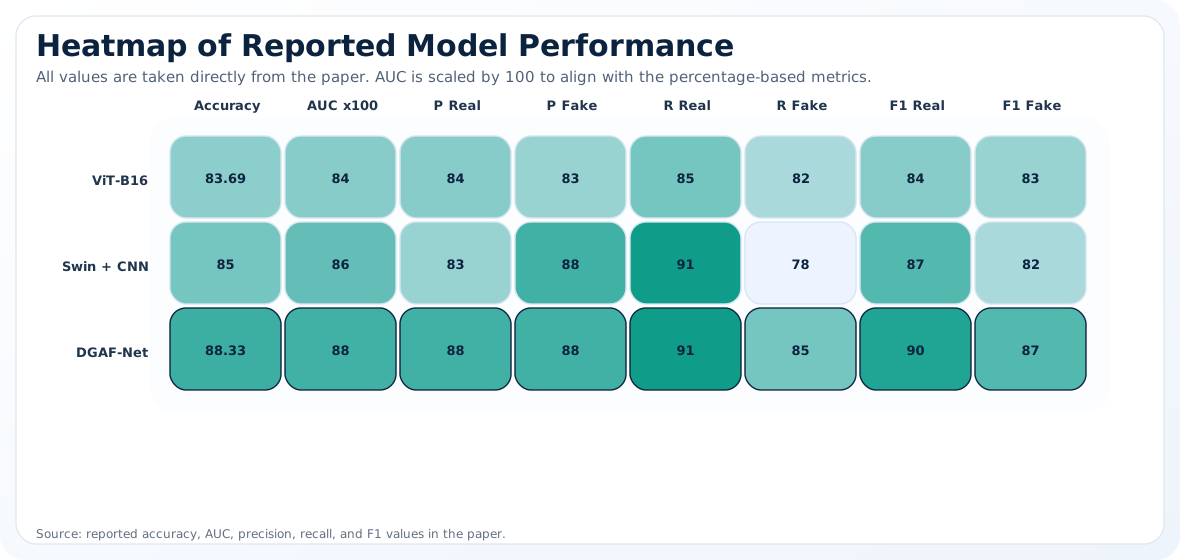
The table and figures below are grounded in the local paper source. No extra metrics have been added beyond what the project files support.
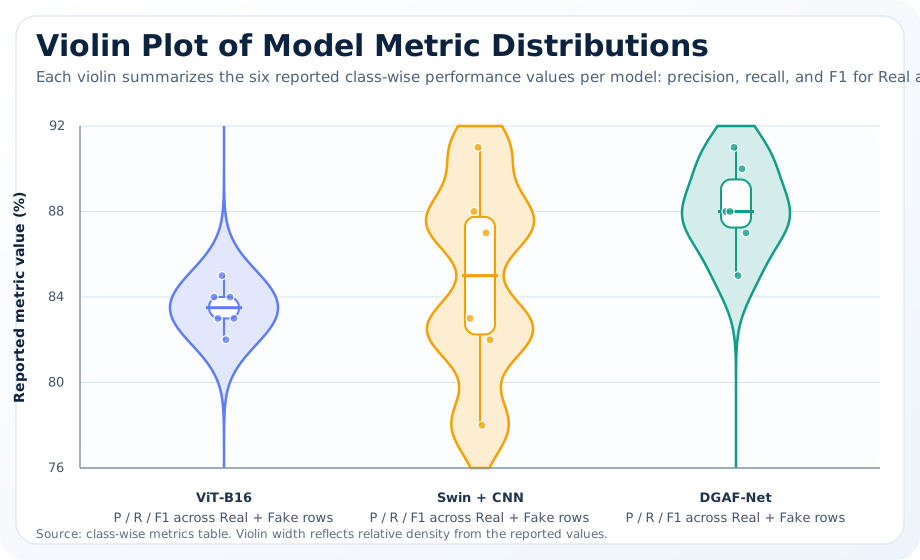
| Model | Accuracy | Class | Precision | Recall | F1-score |
|---|---|---|---|---|---|
| ViT-B16 | 83.69% | Real | 84% | 85% | 84% |
| Fake | 83% | 82% | 83% | ||
| Swin + CNN | 85.00% | Real | 83% | 91% | 87% |
| Fake | 88% | 78% | 82% | ||
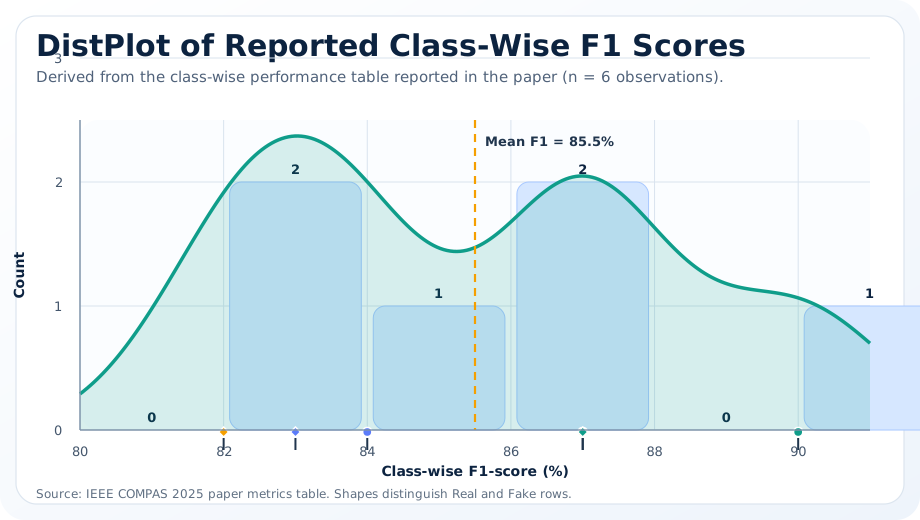
| DGAF-Net | 88.33% | Real | 88% | 91% | 90% |
| Fake | 88% | 85% | 87% |
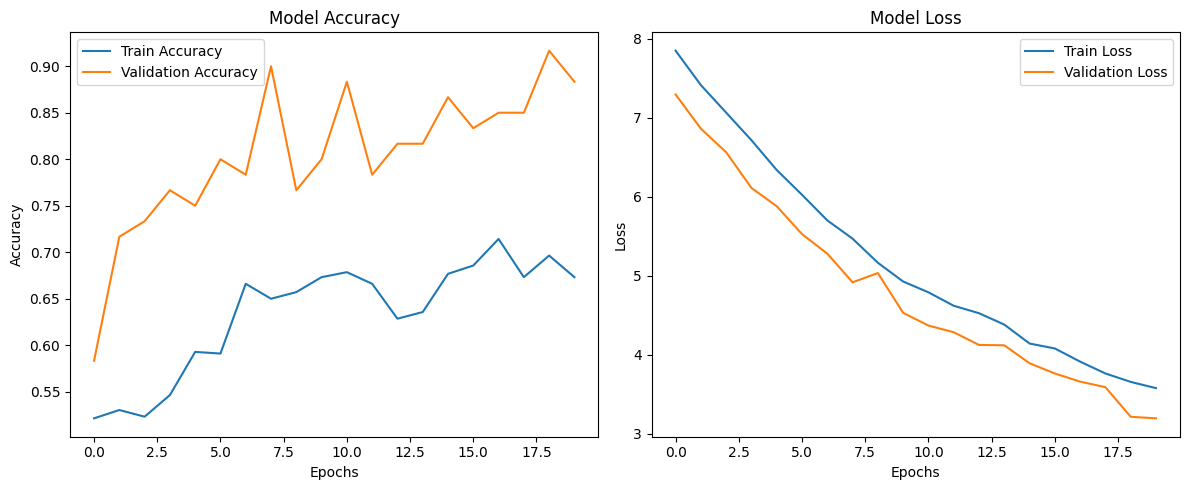
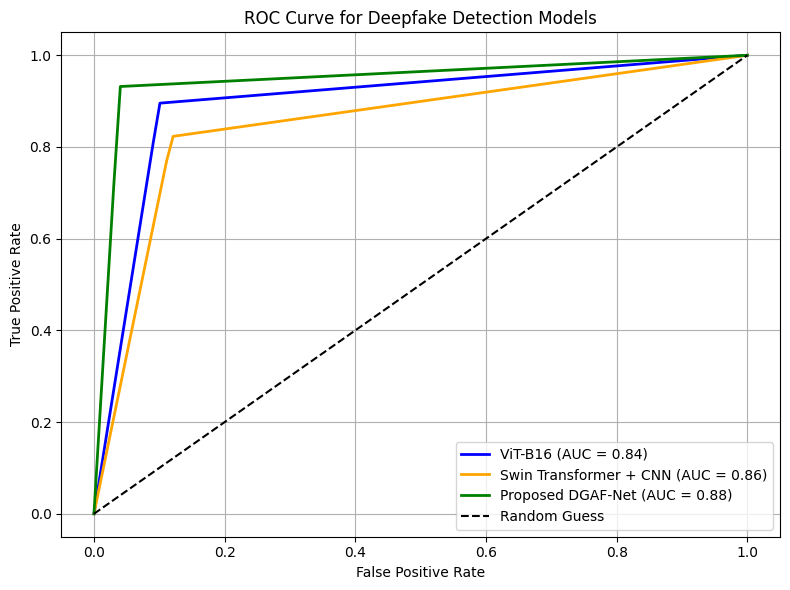
Confusion Analysis and Derived Plots
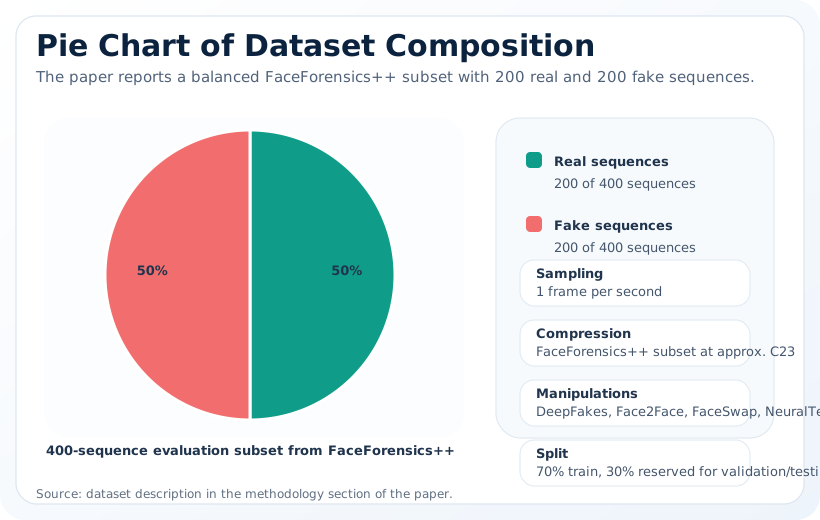
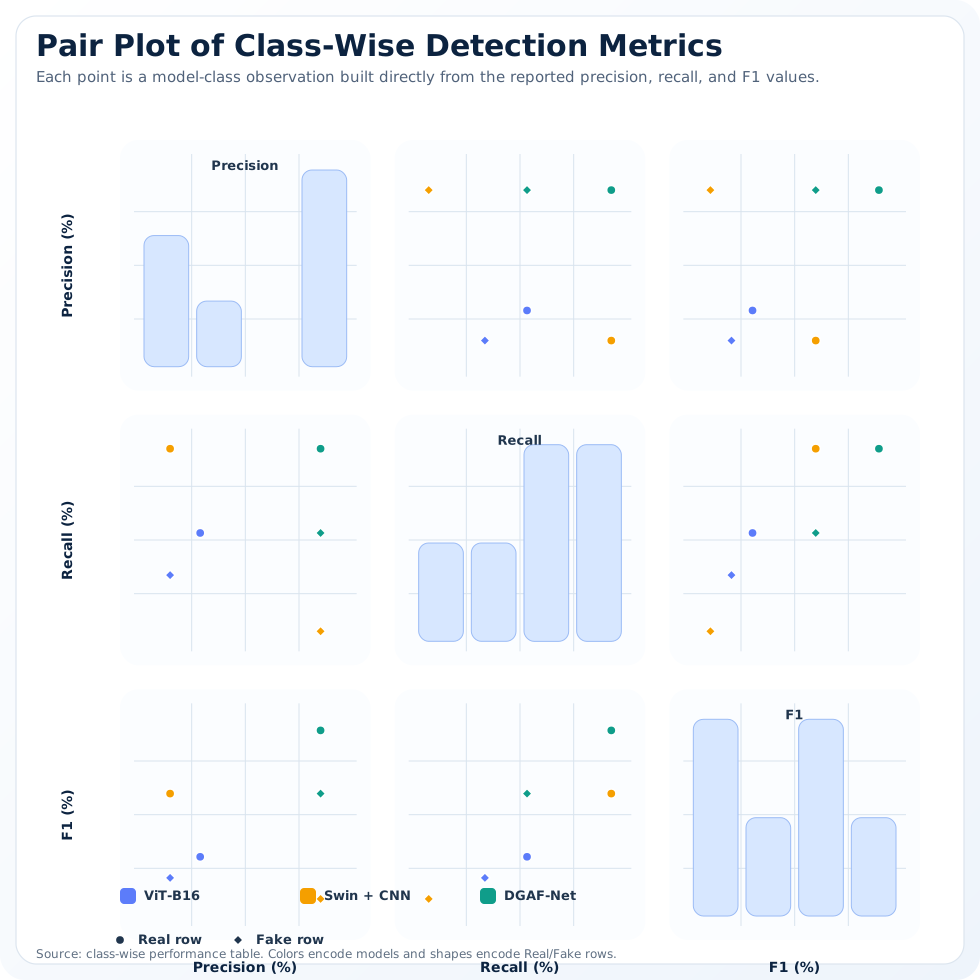
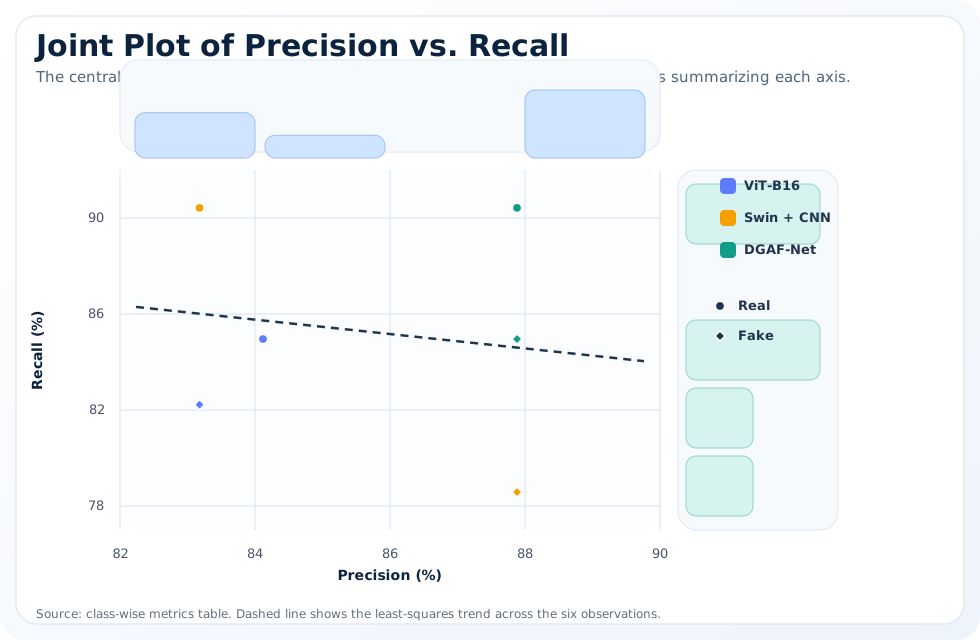
The repo preserves the bundled confusion-matrix images, while the new static plots are generated from the reported metrics to stay reproducible and GitHub-friendly.
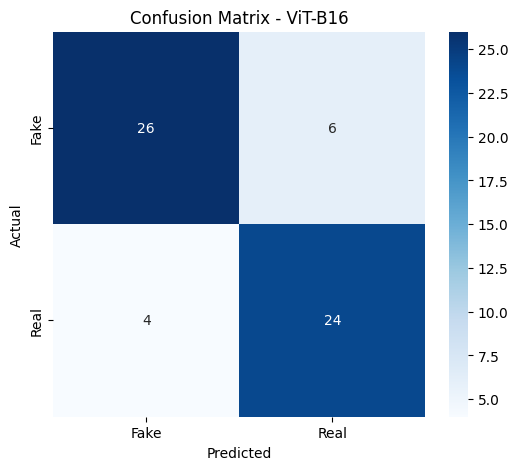
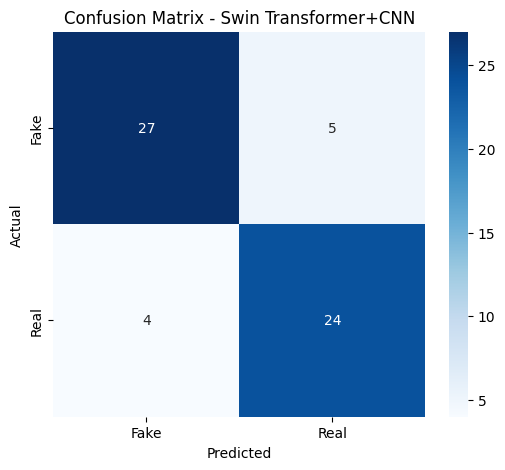
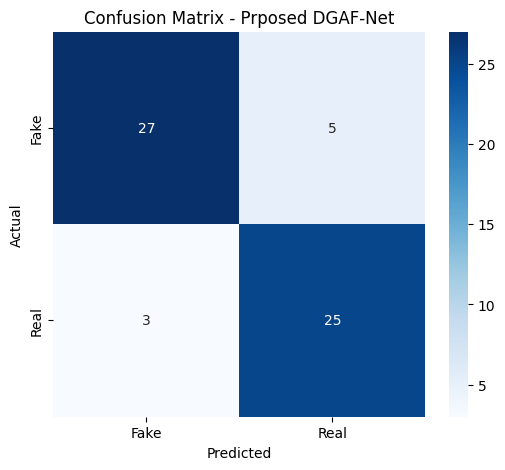
The paper narrative reports larger DGAF-Net confusion counts than the bundled confusion image. The derived plot assets therefore use the class-wise metric table and dataset description, which are internally consistent across the local project files.
Reproducibility Notes
The project’s original local directory was a compact paper archive. The repository build adds a publication-friendly wrapper around those assets without fabricating unsupported experimental detail.
paper/published and docs/assets/paper.paper/latex-source.docs/assets/images/figures.scripts/generate_research_assets.py renders the PDF figures with PyMuPDF.docs/assets/data/project-metrics.json records the evidence base used by the plots.